Yangdong and Daein Markets
Gwangju
Exact current location is not verified here. Confirm the venue through its official information before planning a visit.
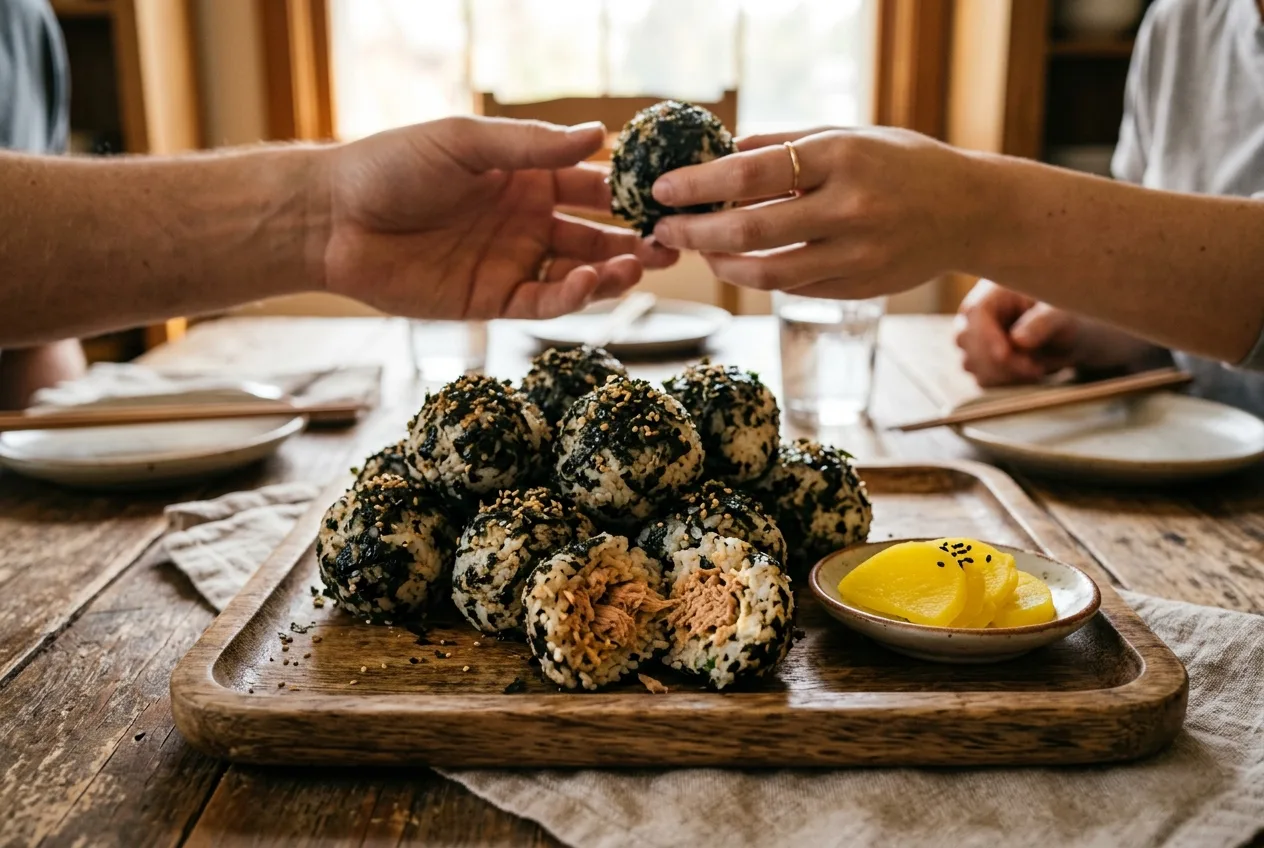
Street Food · Page of Tables · Page of Tables
Jumeok-bap (Korean Rice Balls) · 주먹밥
These rice balls combine rice with seaweed flakes and sesame oil, with tuna mayonnaise as a filling or addition. Shaping rice into portions differs from rolling and slicing a seaweed-wrapped gimbap.
Avoid overfilling or making oversized balls, which become difficult to hold together. Prepare an amount you can serve promptly rather than leaving filled rice at room temperature for an extended period.
Images are AI-generated illustrations, not records of a kitchen test. Follow the written ingredients and steps. Ingredients and substitutions guide
| Ingredient | Amount | Substitute abroad |
|---|---|---|
| Warm cooked rice | 3 bowls | Fresh-cooked is best; reheat day-old rice |
| Salt and sesame oil | A little | Online Korean grocers |
| Crushed roasted seaweed | Generous | Crumble gimbap sheets |
| Canned tuna and mayo | 1 can, 2 tbsp | Stir-fried anchovies, chopped kimchi |
| Sesame seeds | 1 tbsp | Can skip |
| Pickled radish (side) | To taste | Cucumber pickles |
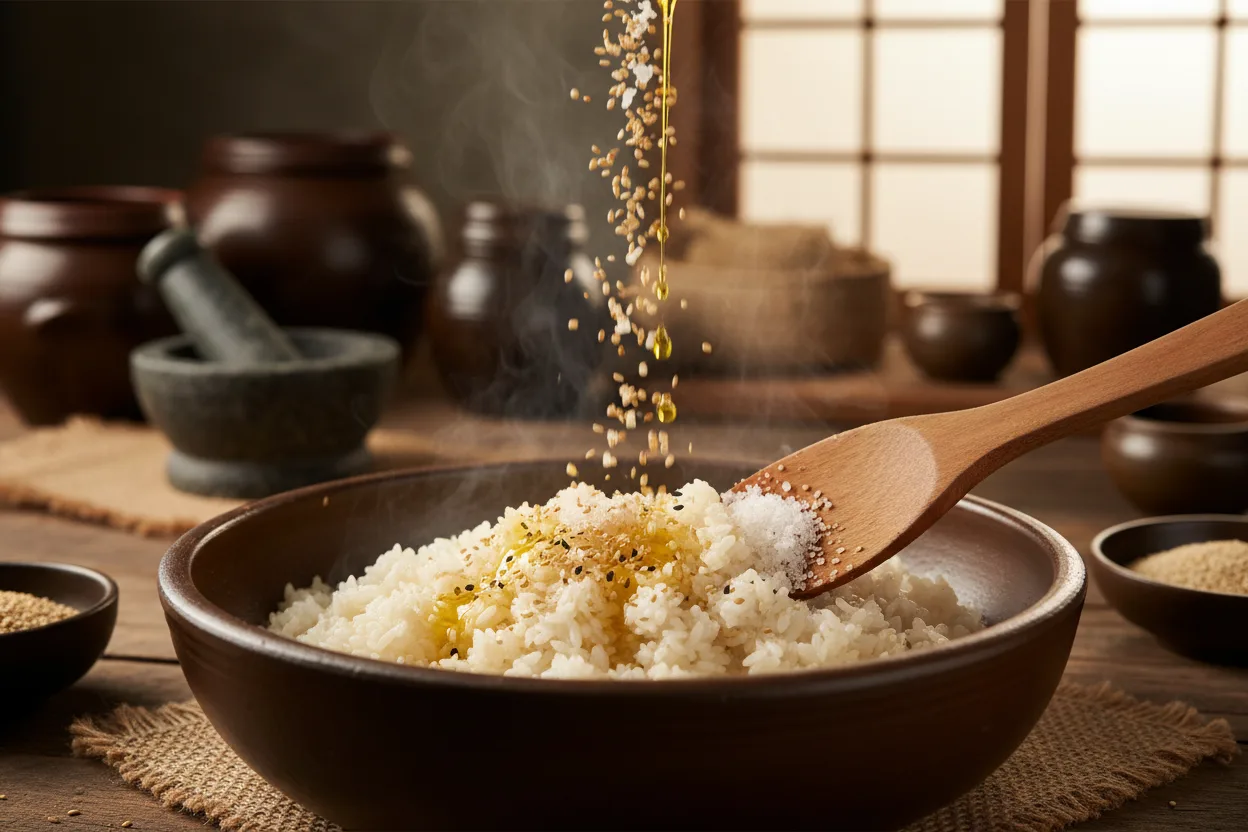
Fold salt, sesame oil, and sesame seeds into warm rice with a cutting motion.
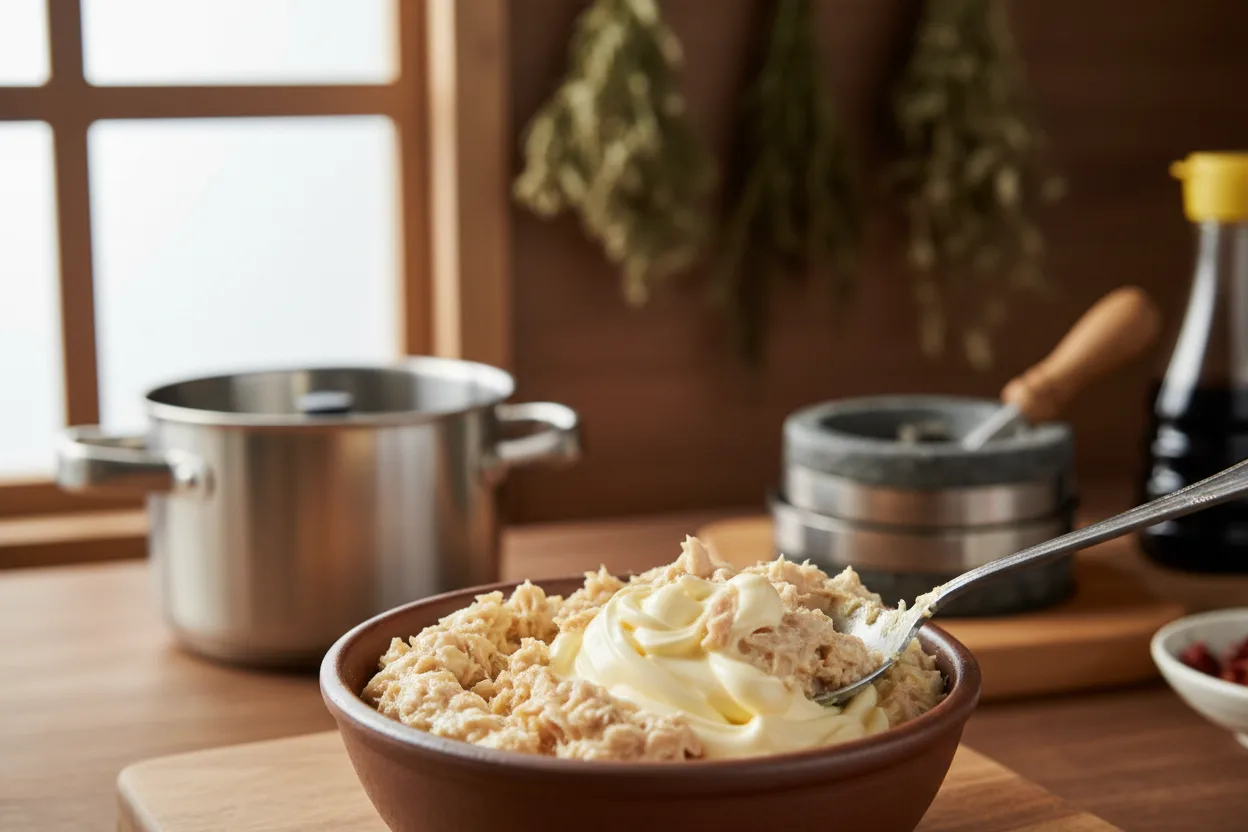
Mix drained tuna with mayonnaise.
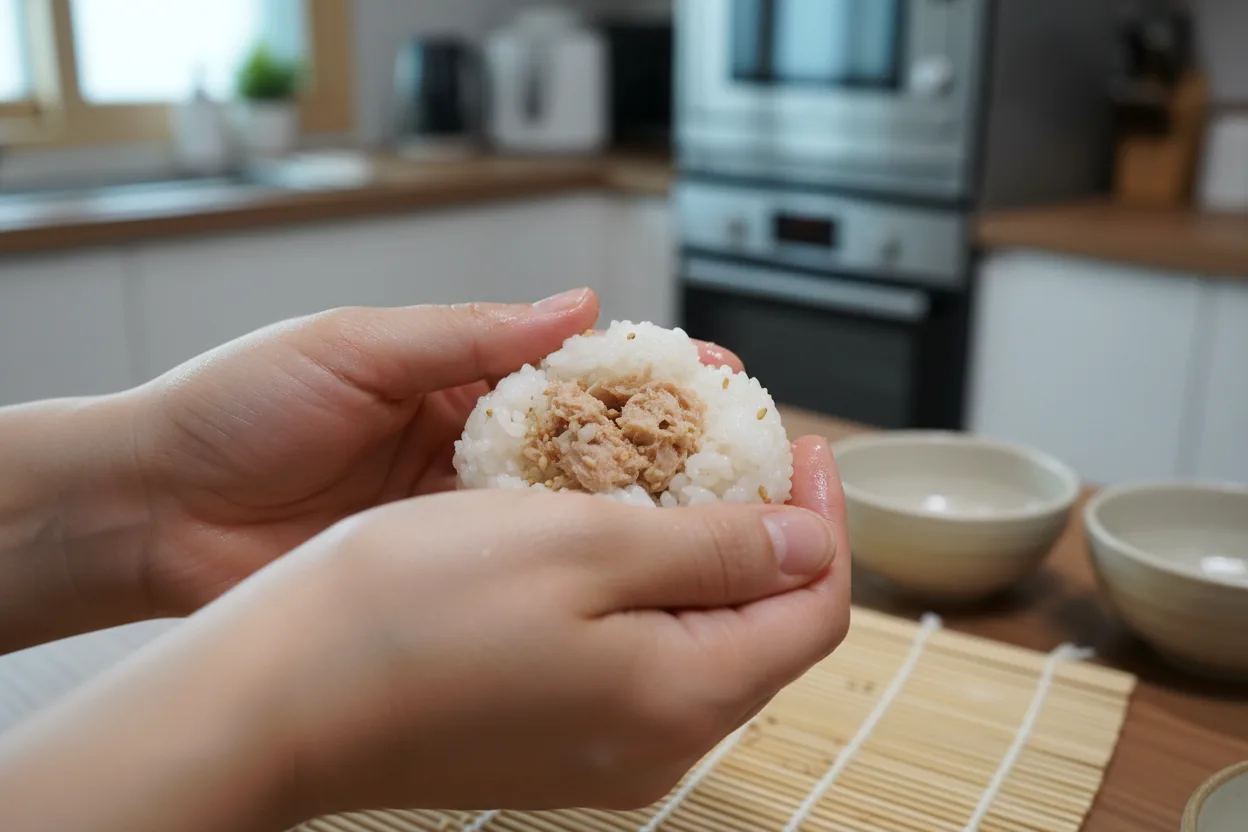
Wet your palms lightly, flatten rice, tuck in filling, and press into a round ball.
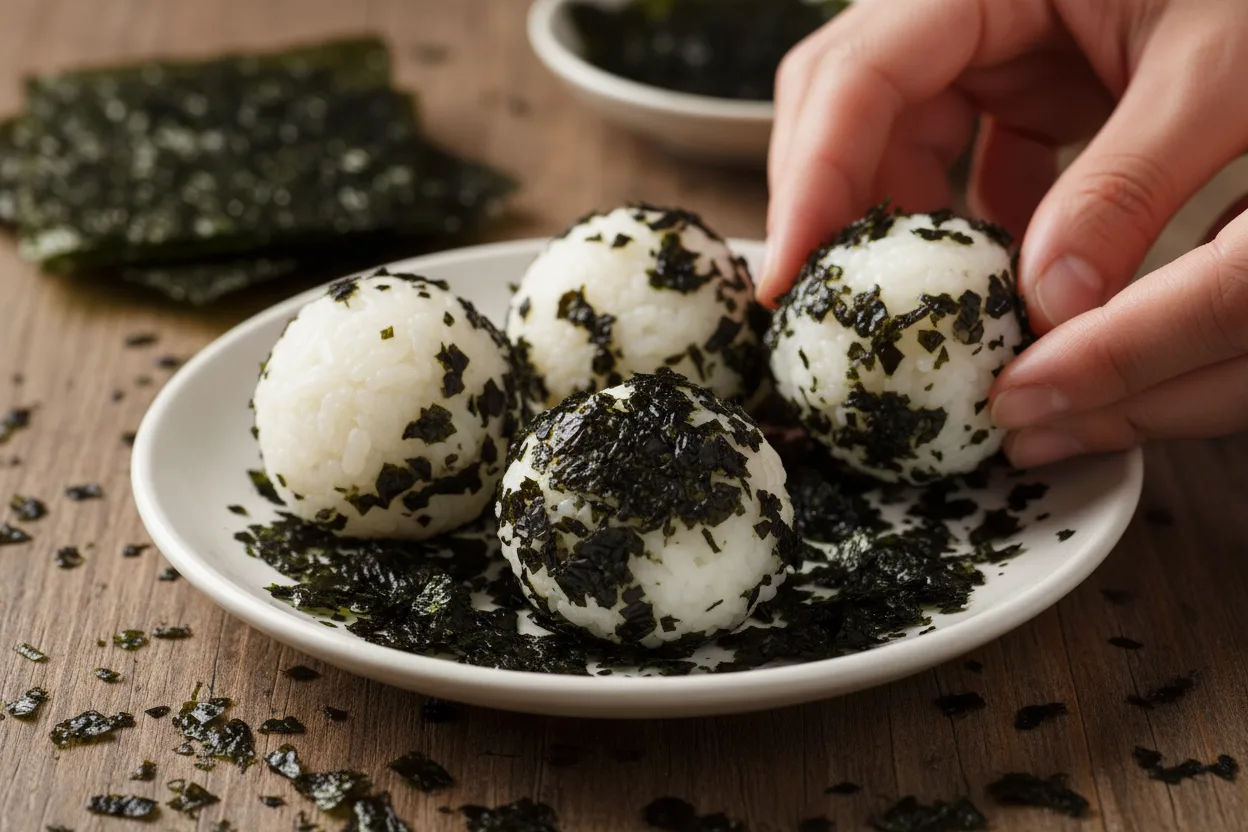
Roll each ball in a plate of crushed seaweed until evenly dressed.
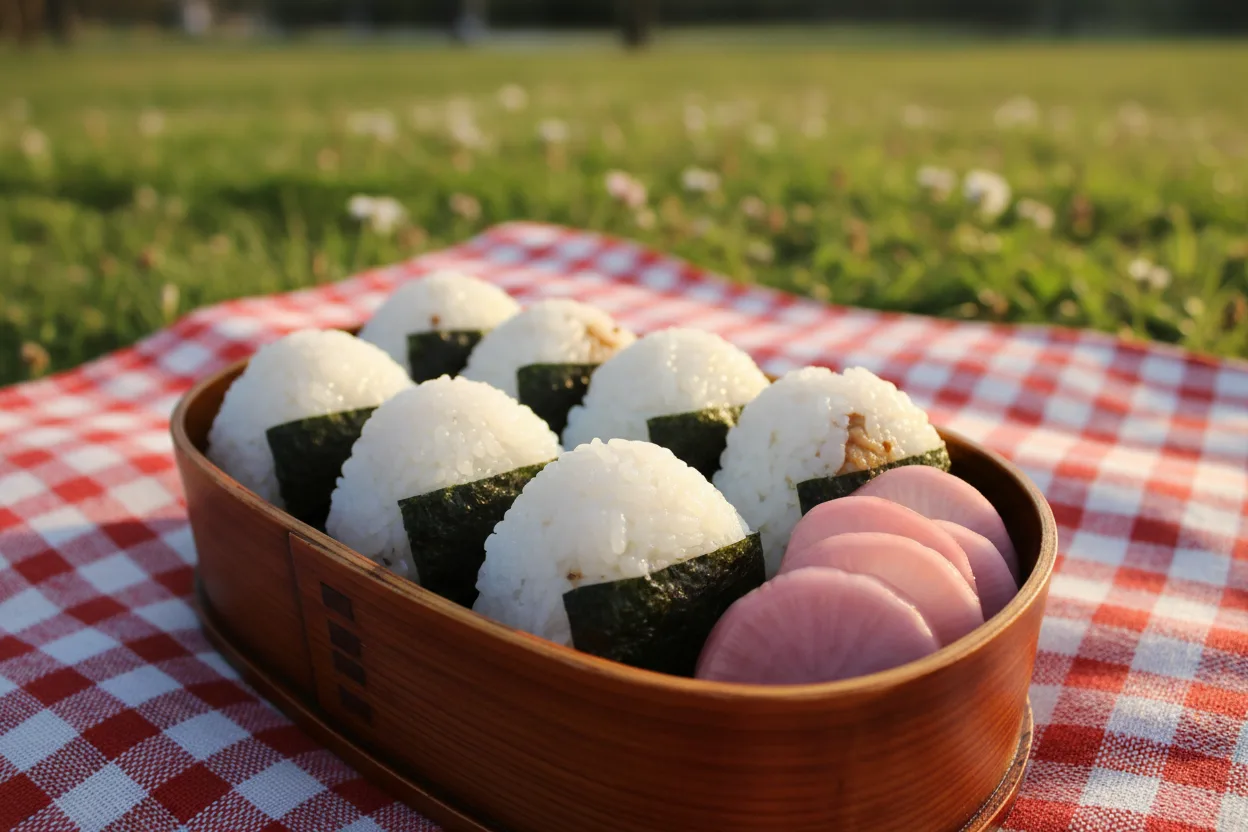
Pack into a lunchbox or plate with pickled radish alongside.
Candidates to investigate for this food. Maps use sourced location records; confirm the current menu, opening and booking directly. This list is not a tasting review or an award certification.
Gwangju
Exact current location is not verified here. Confirm the venue through its official information before planning a visit.
Geumnam-ro, Gwangju
Exact current location is not verified here. Confirm the venue through its official information before planning a visit.

Earth element · a round, full face
You press your own share into someone else's hand first. A face like a freshly pressed rice ball: warm, firm, and true to its first heart.
Upright: A rice ball asks for no bowl and no spoon; hands and heart are enough to press one. Stop waiting for grand preparations and press together what you can hold right now.
Reversed: Squeeze too hard and every grain crushes. Check whether some work or some person is being crushed inside your fist. A rice ball is not gripped, child. It is gathered.
Fictional food metaphors inspired by traditional face-reading, not measurements of your face or personality.
Those cheeks are round and generous: the face of big hands. That is the nature of jumeok-bap. Nobody weighs it to the gram; it gets pressed to the size of the hand and the size of the heart. The rice balls pressed by the market mothers of Gwangju in May 1980 are the proof. Your cheeks are those hands, child. Giving without arithmetic keeps the bank book thin, but your storehouse of people stays full.
Those eyes shine clear: the first heart still lives in you. People say a rice ball barely counts as cooking. But watch what hands reach for first on picnic day, on the train platform, on the desk at midnight overtime. The one with no fancy resume who is always exactly where needed: that is your fate. And the only road from page to master is keeping that post.
That small mouth is neat and diligent, one that works without nagging. A rice ball comes with no side dishes; it carries its own salt, its own sesame oil, its own seaweed. That is you, never asking anyone to pack for you, always carrying your own. Admirable. But answer me one thing: who presses your rice ball? Once in a while, accept the one someone else pressed.
The moment a rice ball is pressed, its warmth passes into the hand. Yours is that kind of hand; whoever it holds feels less alone. Do not use it carelessly, and do not hoard it either. It was given to you for pressing and sharing.
Grandma's blessing
Street-raised rice balls and fish cake broth are old companions of cold-wind days, while before the formal bori-gulbi table, the bare-handed rice ball shifts awkwardly in its seat.