관상밥상 낙관 로고
Gwamegi (Half-Dried Saury)

Regional & Country Table · 6 of Crocks · Six of Crocks

Gwamegi

Gwamegi (Half-Dried Saury) · 과메기

Difficulty
Easy
Time to plan
25 min
Serves
2 servings
Recipe
5 steps
Listed places
2

Decision notes · editorial comparison of references and preparation plans

Is gwamegi served like hot grilled fish?

Start with the half-dried fish and seaweed-wrap format. Unlike a hot mackerel portion, it requires reading the product’s serving instructions rather than assuming a grilled meal.

Check before ordering or preparing: Ask saury or herring, cleaning and cooking state, and included seaweed or dipping sauce.

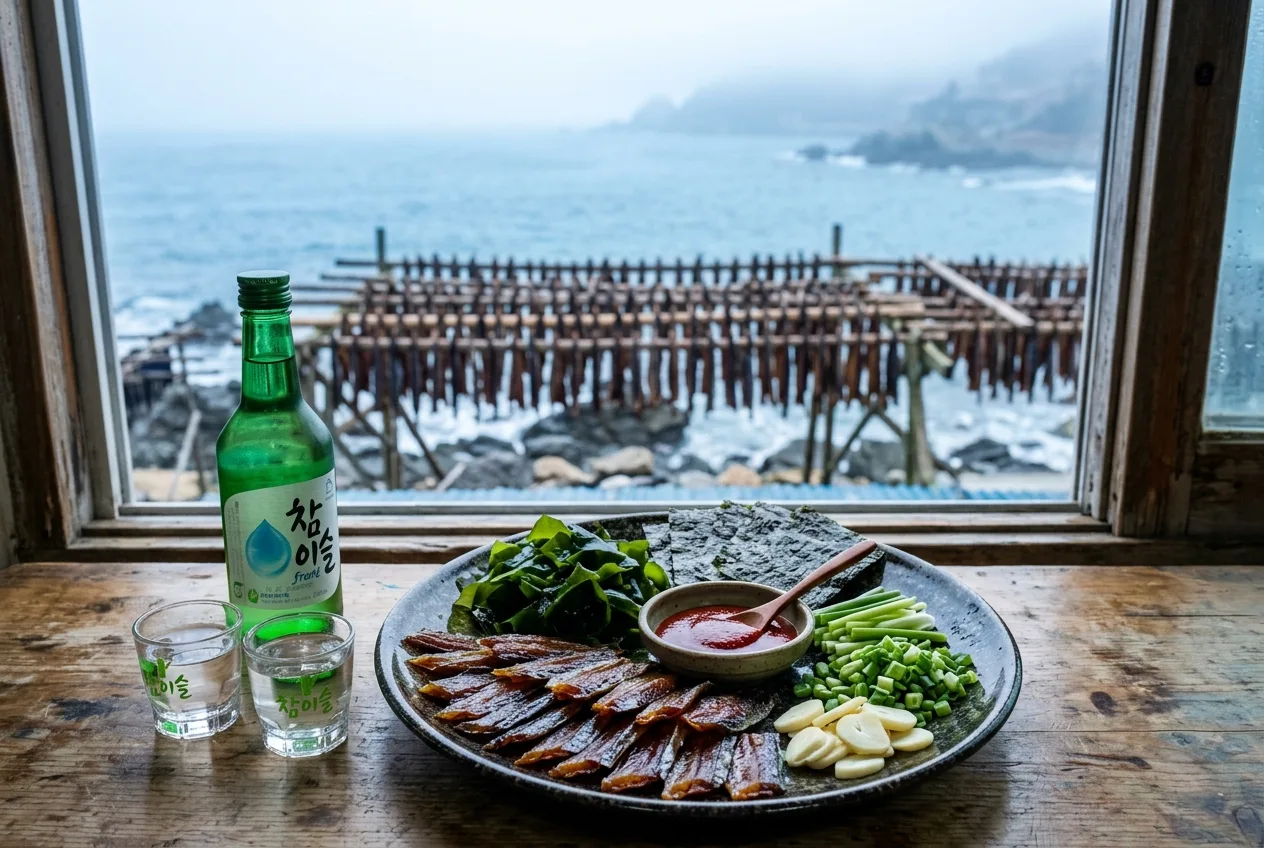
KTO describes half-dried saury or herring with sauce and seaweed. KTO · Pohang Guryongpo Half-Dried Saury (포항 구룡포 과메기 / Pohangguryongpogwamegi) · 2026-09-13

Food notes and context

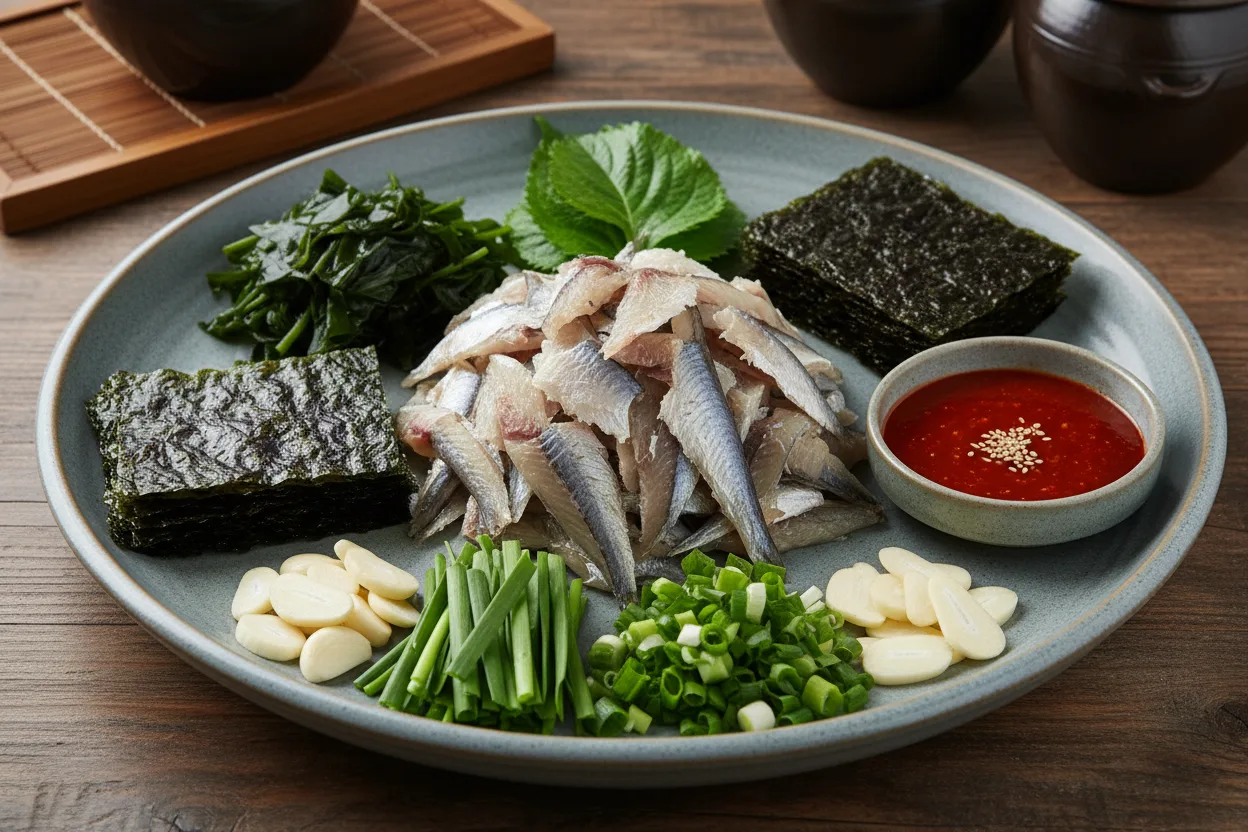
This gwamegi preparation slices a purchased, prepared fish product and serves it with seaweed and vegetables. It does not provide a process for drying raw fish at home.

Check the fish species, cleaning status and refrigeration instructions. Vary the seaweed, leaf and sauce around a small piece of fish instead of putting every accompaniment into the first wrap.

Cook this version

Images are AI-generated illustrations, not records of a kitchen test. Follow the written ingredients and steps. Ingredients and substitutions guide

Times and yields are planning values for this editorial preparation, not measured kitchen results. Substitutions can change flavor, texture and cooking needs. Read product directions and our measurement and doneness guide together.

Ingredients (2 servings)

IngredientAmountSubstitute abroad
Cleaned gwamegi fillets10 piecesIf choosing smoked herring, verify that it is ready to eat. Products requiring cooking must be cooked separately as labeled; the flavor will differ.
Fresh seaweed and kelpPlentyRehydrated dried seaweed
Dried laver sheets5Anywhere
Scallion, garlic, chiliA littleAnywhere
Vinegared gochujang (chojang)1 saucerGochujang, vinegar, plum syrup 2:1:1
Tender cabbage hearts (optional)A littleLettuce

Step by step

  1. Gwamegi (Half-Dried Saury) cooking step 1

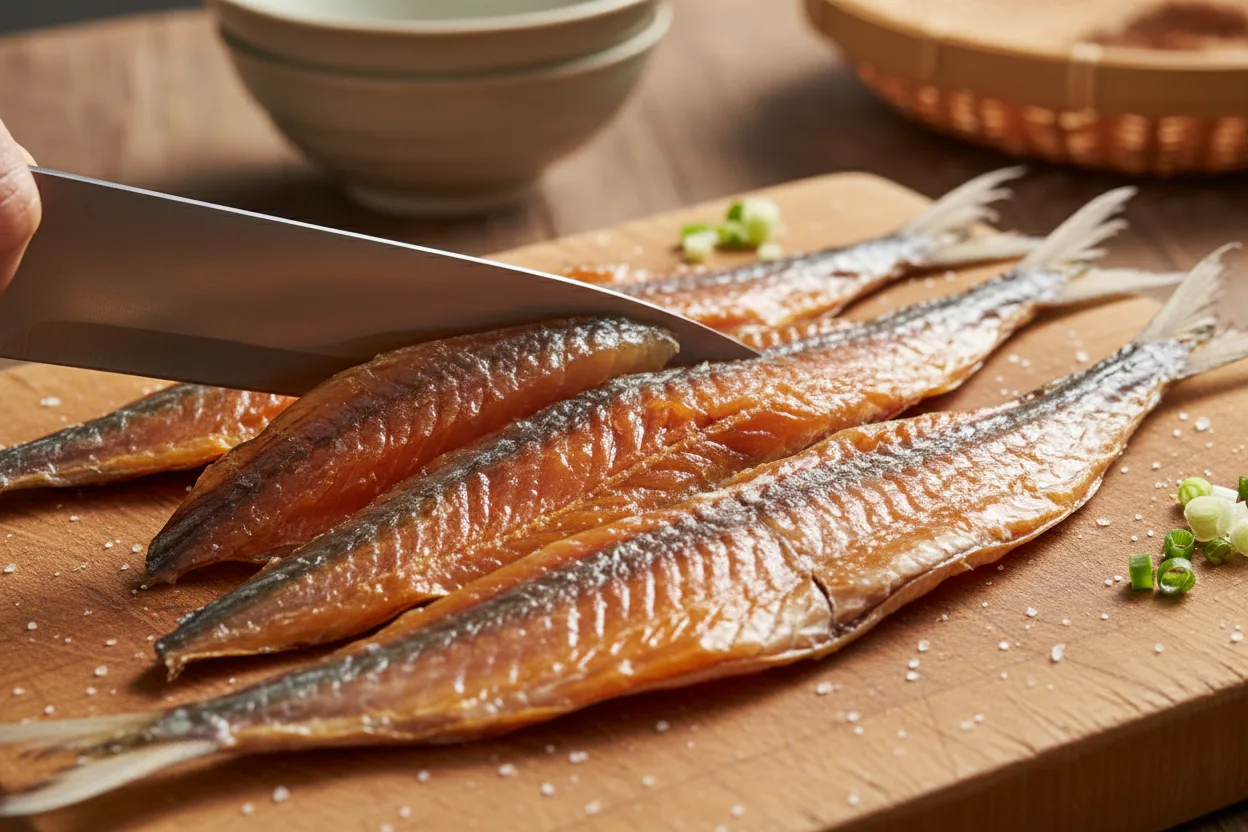
    1.Slice the fish

    Slice the skinned fillets diagonally into bite pieces.

  2. Gwamegi (Half-Dried Saury) cooking step 2

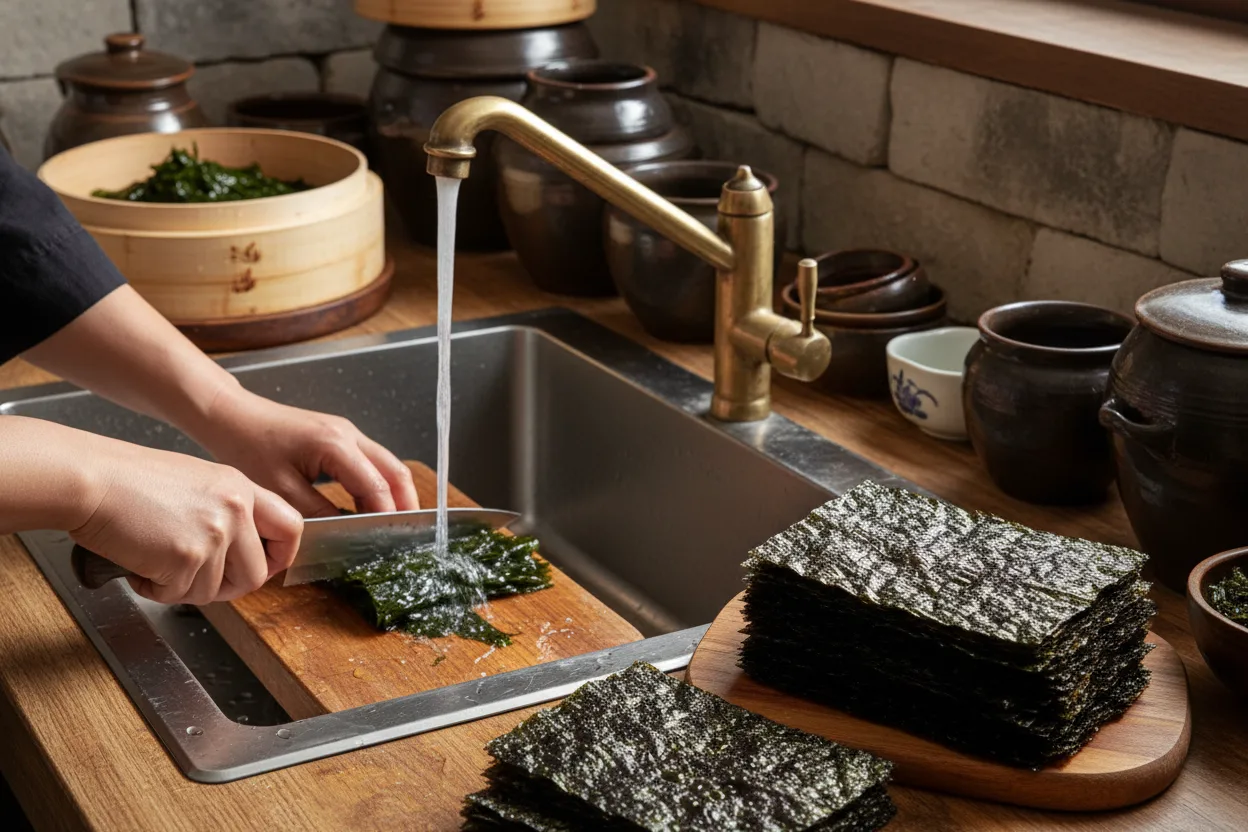
    2.Ready the seaweed

    Rinse fresh seaweed, cut to size, and quarter the laver sheets.

  3. Gwamegi (Half-Dried Saury) cooking step 3

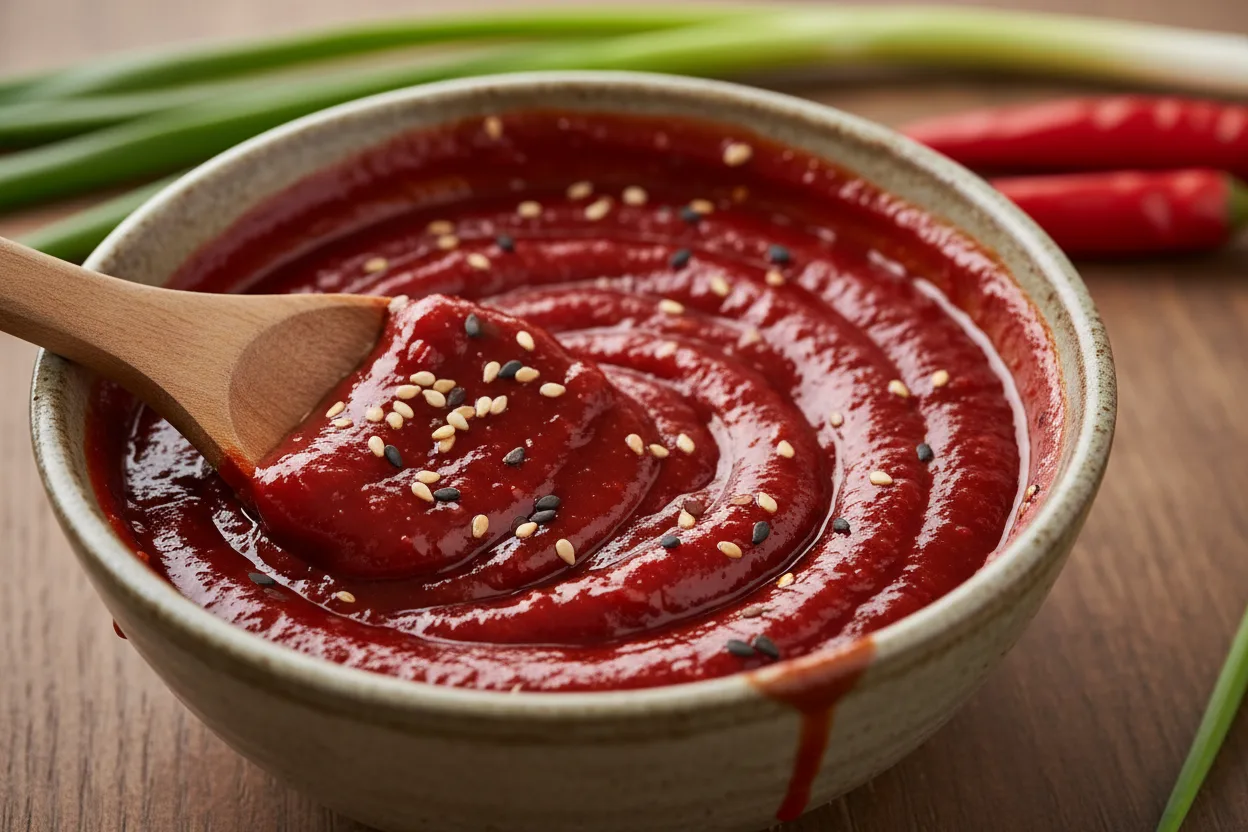
    3.Mix the chojang

    Stir gochujang with vinegar and plum syrup until tart and glossy.

  4. Gwamegi (Half-Dried Saury) cooking step 4

    4.Set the platter

    Arrange fish, seaweed, laver, scallion, garlic, chili, and sauce in sections on one large platter.

  5. Gwamegi (Half-Dried Saury) cooking step 5

    5.Wrap and eat

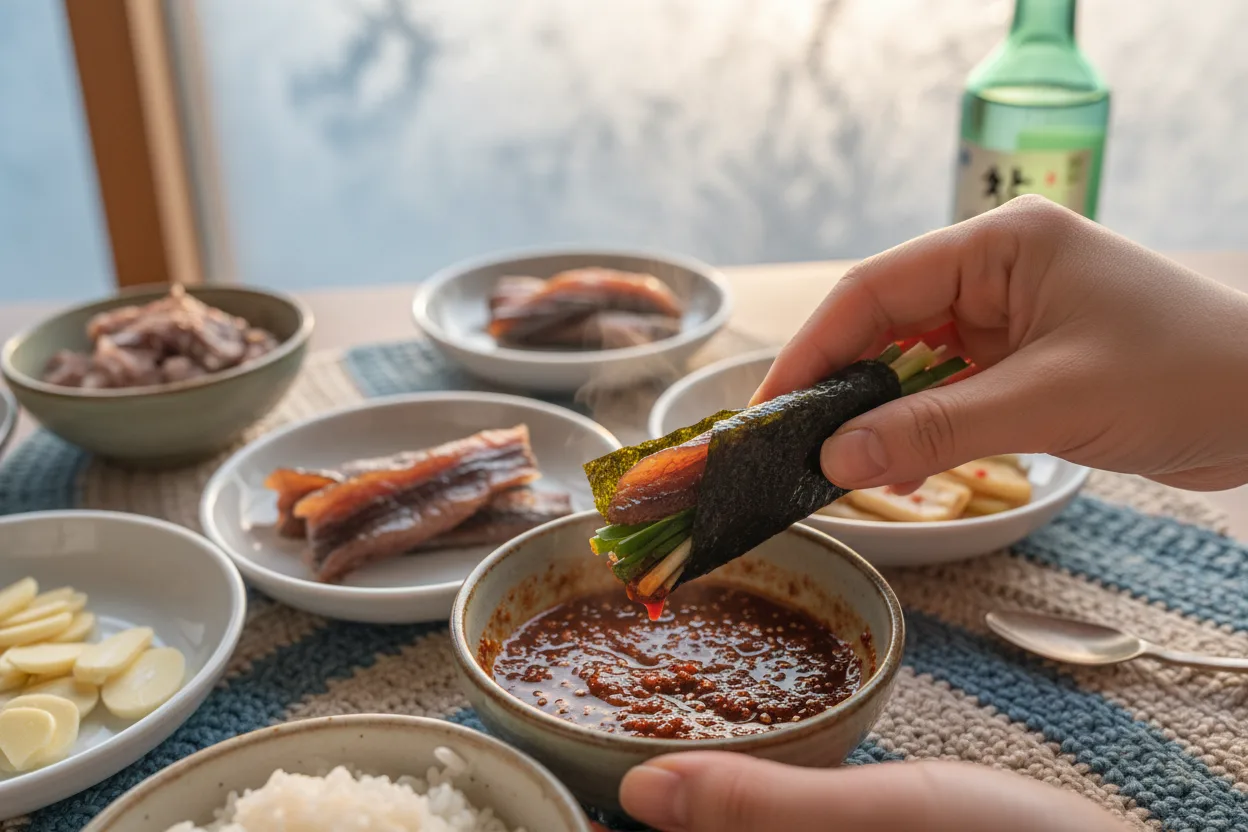
    Lay a slice with scallion and garlic on laver or seaweed, dip in chojang, and eat in one bite.

An order card to show at the shop

Preparing the tool. If controls remain disabled, enable JavaScript or try another browser. The guidance below remains readable.

Ask for enough food for the number of people eating. Portion sizes and minimum orders vary by shop. This card does not send an order or payment.

Places to check when planning a meal

Candidates to investigate for this food. Maps use sourced location records; confirm the current menu, opening and booking directly. This list is not a tasting review or an award certification.

Guryongpo Gwamegi Culture Center

Pohang, North Gyeongsang

Exact current location is not verified here. Confirm the venue through its official information before planning a visit.

Six of Crocks tarot card

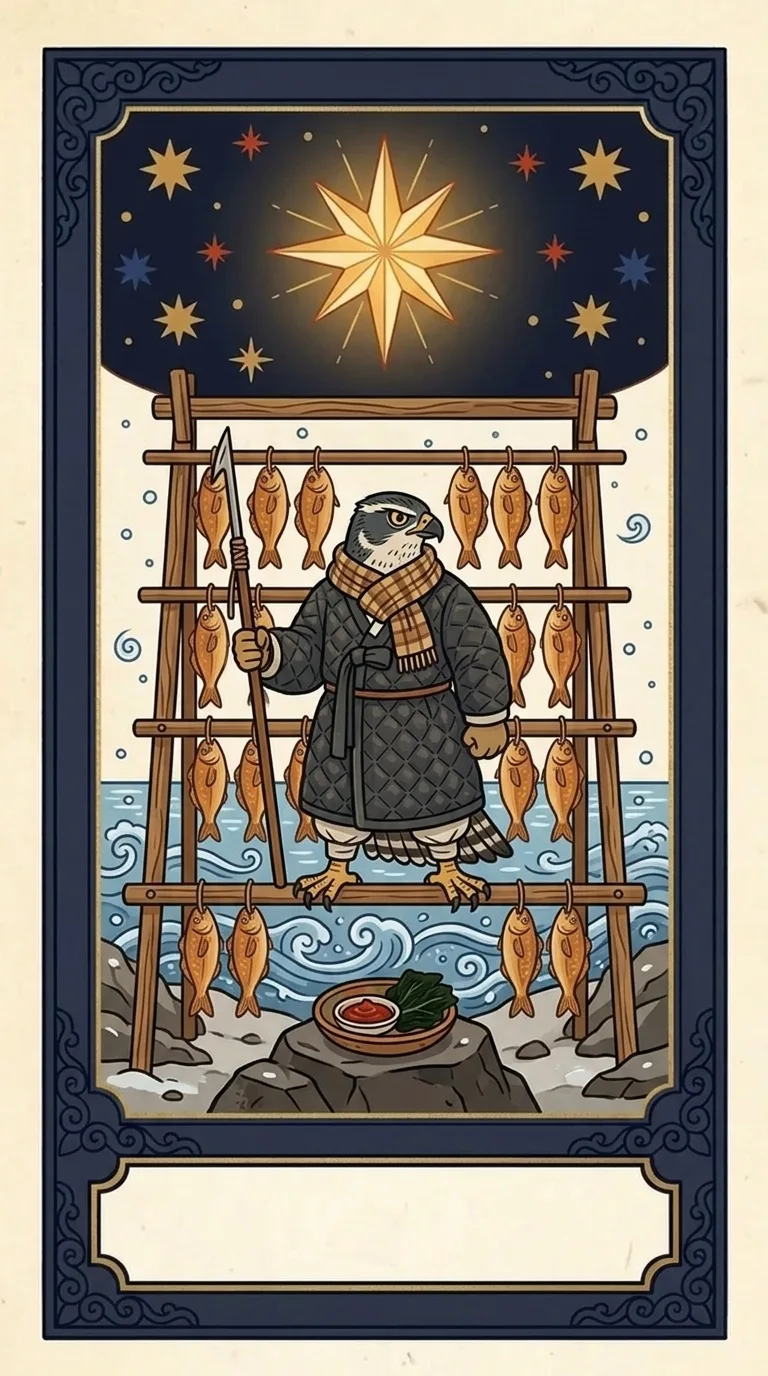
The fictional face of this dish

Metal element · an angular, solid face

You come alive precisely in the cold season. A face like gwamegi, deepened by freezing and thawing, night after night.

Upright: Frozen and thawed for many nights: that repetition turns a plain fish into a delicacy. The ups and downs you are riding are drying you, not ruining you. Endure just until you turn chewy.

Reversed: Under-dried gwamegi is fishy; over-dried is leather. Miss the harvest moment and your work fails in either direction. Check the drying rack today. This may be the day to take it down.

The K-Roast take: Grandma's roast

Fictional food metaphors inspired by traditional face-reading, not measurements of your face or personality.

Those eyes are alive and sharp as a winter sea. In the season everyone shrinks, yours start to shine. That is gwamegi's nature: it only hangs on the racks when the cold wind starts, and only nights below zero raise its price. You are the type whose eyes light up at the word crisis, bored in fair weather, awake in the wind. Do your business in winter, child.

Those cheekbones stand out, and in face reading they are the medal of storms taken head-on. Gwamegi is the story of the sea's most common fish, herring or saury, made precious by sea wind. Proof that training sets the price, not pedigree. Your cheekbones are the same proof. When they ask where you came from, answer with what you have withstood.

There is a sheen on those lips: a mouth where rich luck flows. Gwamegi's oil is not grease but the winter sea condensed into nuttiness. Your words are like that too, not slick but substantial, and that is what keeps people. Only remember: as gwamegi needs its chojang, seaweed, and scallions to be complete, your worth also lives by the people arranged around you. Be good to your seaweed and your laver.

Gwamegi is the tale of a common fish, nearly discarded, that walked through winter and came out a delicacy. The cold wind in your life is not rotting you; it is drying you into concentration. Come spring you will know how nutty that wind has made you.

Grandma's blessing

Table compatibility

The winter sea's rich gwamegi finishes the race only with rustic makgeolli holding it up, while next to the fine noodles of a feast day, its briny musk is far too rough a sailor.

Related foods