Mudeungsan Barley Rice Street
Jisan amusement park area, Gwangju
Exact current location is not verified here. Confirm the venue through its official information before planning a visit.
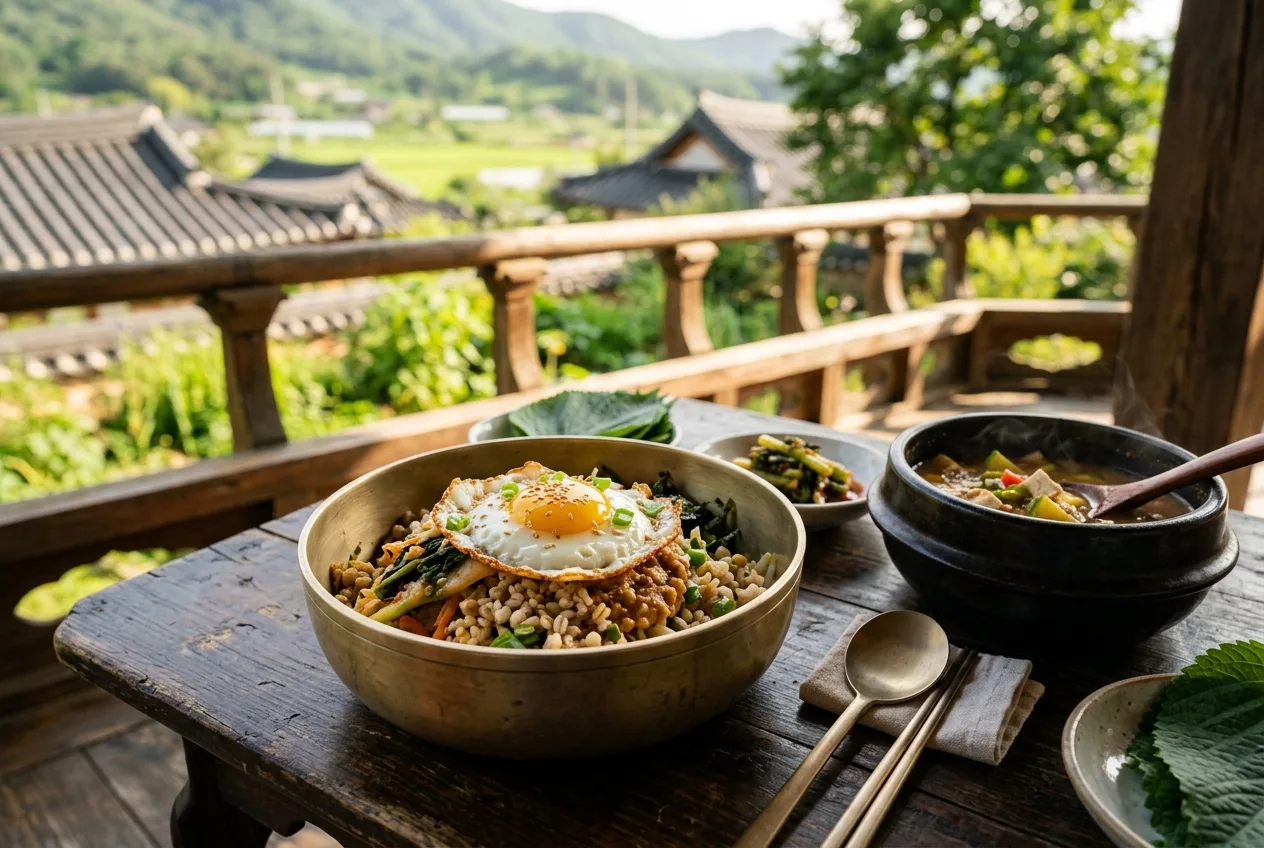
Regional & Country Table · 2 of Tables · Two of Tables
Bori-bap (Barley Rice) · 보리밥
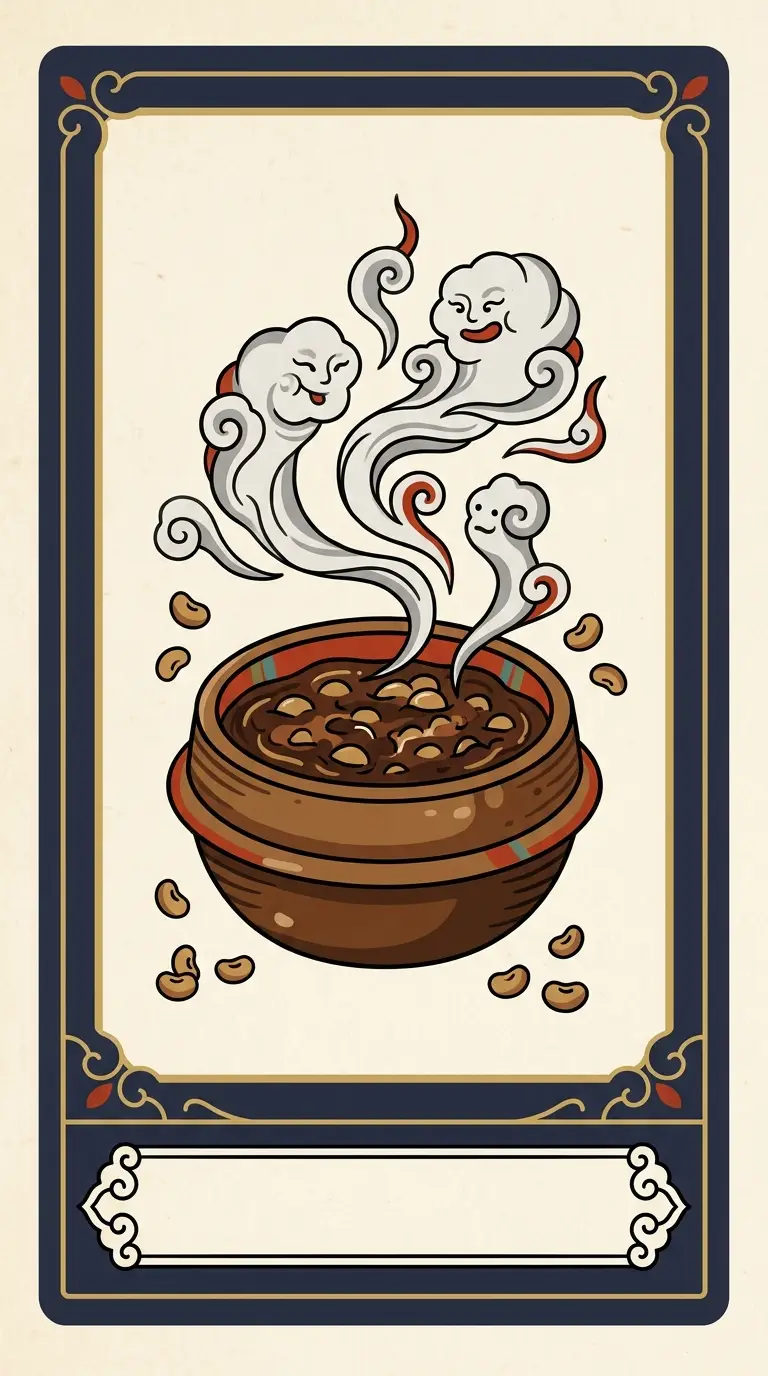
Barley rice · barley may be mixed with rice · served with sides or mixed toppings · the grain ratio changes the bite.
Bori-bap puts barley at the center of a rice-based meal. It can be eaten with separate side dishes or mixed with vegetables and seasoning. The name tells you about the grain; it does not fix every item that must accompany it.
The barley-to-rice ratio changes how much chew you notice in each spoonful. Read whether your barley is pearled or otherwise processed and follow its package preparation before combining it with rice. At the table, taste the grain before mixing: young-radish kimchi adds acidity and crunch, while a thick soybean-paste sauce coats the grain with a stronger savory seasoning.
At a mixed-rice meal, add vegetables and sauce gradually so you can decide how much seasoning suits the grain. At a table with separate sides, alternate bites as you would with rice and banchan. Ask what the restaurant includes before assuming every side or extra serving is part of the price.
The proportion of barley and rice, the vegetable selection and the accompanying sauce can all change. A bowl finished with young-radish kimchi offers a different combination from one centered on a soybean-paste sauce. These are ingredient choices to compare, not evidence that there is one approved ratio for bori-bap.
The National Archives documents campaigns encouraging mixed grains and flour foods as ways of managing rice supply, including lunchbox inspections. This is relevant context for barley meals in modern Korea. It does not establish the first barley-rice dish or imply that everyone remembers those policies in the same way.
A present-day barley-rice meal can be chosen for taste while also carrying historical associations with grain availability. Those meanings can coexist. We avoid describing hardship as automatically nostalgic or claiming that a shared bowl erases social differences. The comfort-food essay makes room for those different memories.
Images are AI-generated illustrations, not records of a kitchen test. Follow the written ingredients and steps. Ingredients and substitutions guide
Includes a 2-hour barley soak and a 10-minute rest. Simmer the gangdoenjang while the barley cooks.
| Ingredient | Amount | Substitute abroad |
|---|---|---|
| Glutinous barley | 1.5 cups | Regular barley, or half barley half brown rice |
| Young radish kimchi | 1 big bowl | Chopped cabbage kimchi |
| Doenjang | 3 tbsp | Online Korean grocers |
| Firm tofu | Half a block | Can skip |
| Zucchini, onion, chili | A little each | Any squash, jalapeno |
| Gochujang and sesame oil | To taste for mixing | Online Korean grocers |
| Egg (optional) | 2 | Fried, on top |
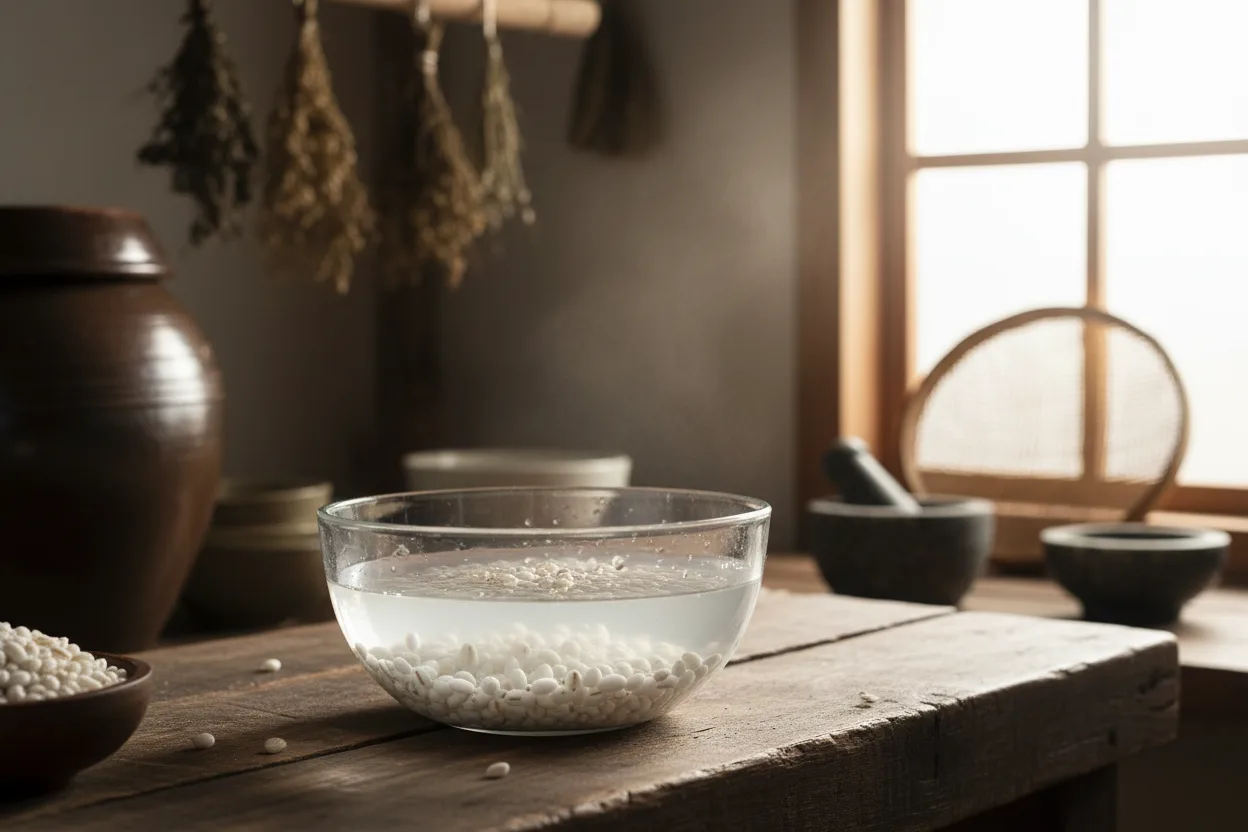
Scrub the barley well and soak it in water for at least 2 hours.
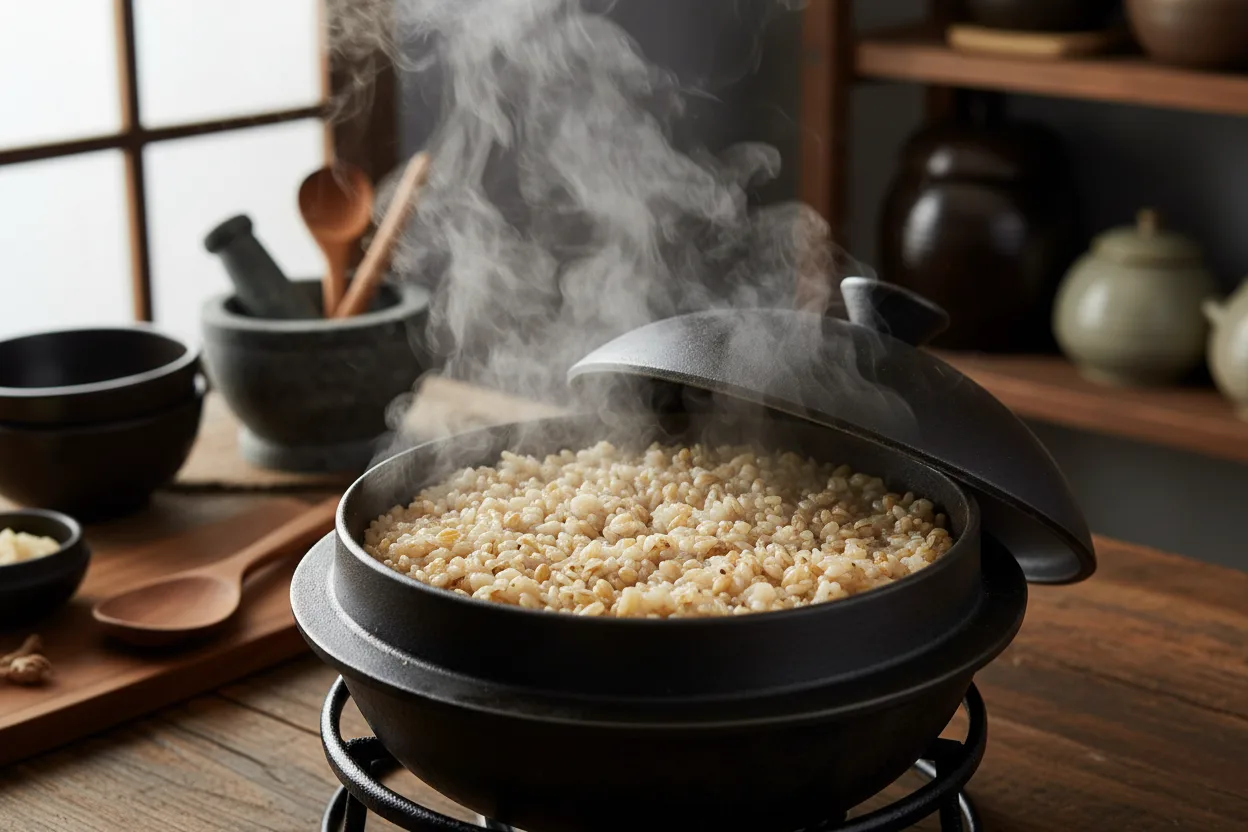
Cover the soaked barley with 1.2 parts water and bring to a boil over high heat for 5–7 minutes. Reduce to low, cook 15–20 minutes, then turn off the heat and rest, covered, for 10 minutes.
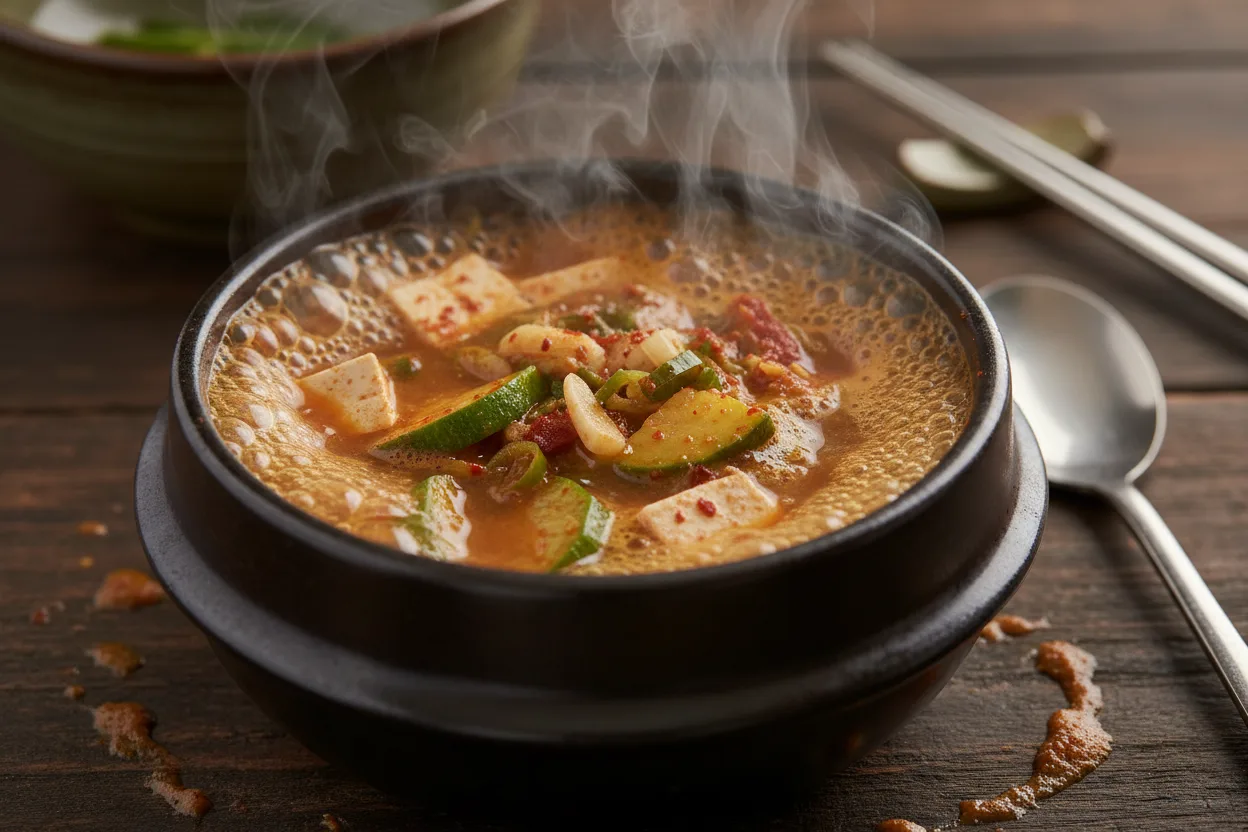
In a small earthen pot, simmer doenjang, tofu, zucchini, onion, and chili with just enough water over medium heat for 10–12 minutes, until thick.
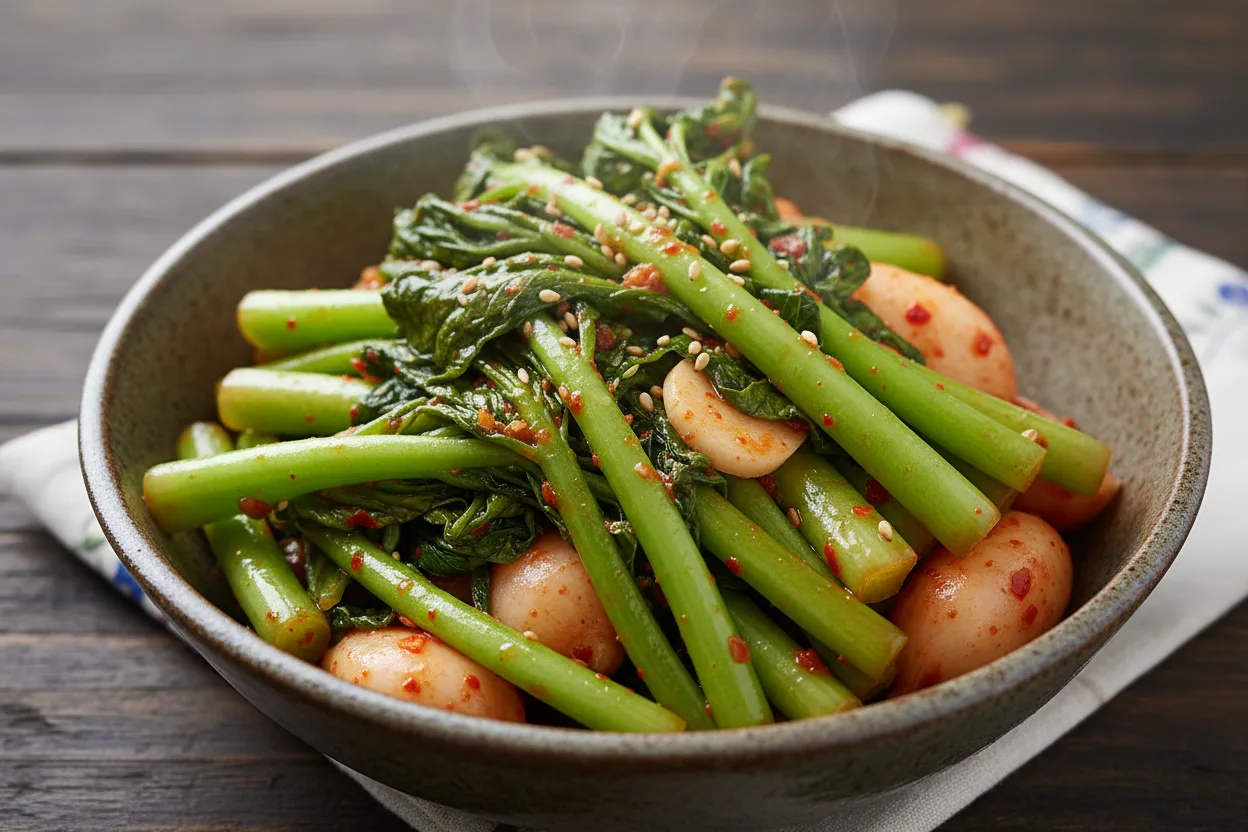
Cut the young radish kimchi into bite sizes and save a ladle of its brine.
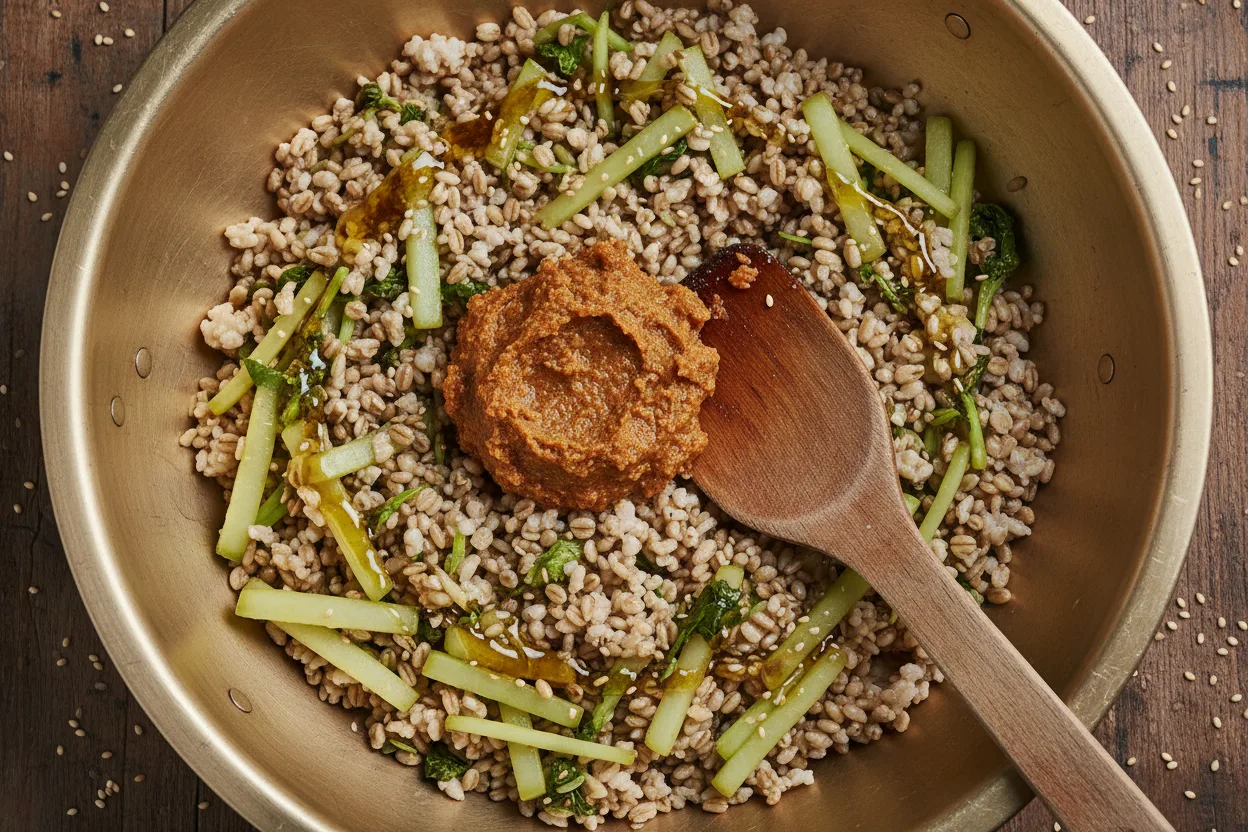
In a big basin, combine barley rice, kimchi, the paste, a dab of gochujang, and sesame oil, then fold with a wooden spatula.
Candidates to investigate for this food. Maps use sourced location records; confirm the current menu, opening and booking directly. This list is not a tasting review or an award certification.
Jisan amusement park area, Gwangju
Exact current location is not verified here. Confirm the venue through its official information before planning a visit.
Apsan, Daegu
Exact current location is not verified here. Confirm the venue through its official information before planning a visit.

Wood element · a slender, elongated face
Nothing flashy, yet full inside. The face of a homemaker who feeds the whole family well even with rough barley grains.
Upright: Do not push the table away just because there is no white rice. Two scoops of barley feed the family. The table set with what is in your hands right now is the table that lasts longest.
Reversed: You stared at someone else's white rice until your own barley went cold. Envy makes no side dish. Scrape your own basin clean first, then talk about other people's tables.
Fictional food metaphors inspired by traditional face-reading, not measurements of your face or personality.
That round, broad nose holds wealth for the long haul. But listen, child, your fortune piles up in the rice chest, not the safe. Barley rice is exactly that: dismissed as the poor cousin of white rice, yet it was these rough grains that fed this country through the barley hump. Your nose is that barley. It does not glitter, but under it nobody goes hungry.
Those eyes smile plainly, and in face reading such eyes welcome everyone without sorting. Just like the barley rice basin: young radish kimchi, fierce bean paste, wild greens, whatever comes in gets embraced and mixed. Your people-luck is that basin. You do not pick, so they gather; they gather, so you grow. Mind you, mix everything long enough and something odd slips in too. Picking that out is your job.
Those cheekbones sit firm: the face of uncommon endurance. Barley is a grain that must cross winter to ripen; it gets frosted and trampled so its roots toughen. Your cheekbones are that winter barley, the sort that hardens exactly where others stepped. So if you are being trampled right now, do not feel wronged. You are ripening.
Barley rice turns nutty only when it steams long and slow. Your life is steaming right now, so stop lifting the lid. Rough rice sits easiest in the belly, and you are that kind of person.
Grandma's blessing
Barley rice and doenjang are the old married couple who crossed the barley hump together. Next to flashy yukhoe bibimbap both turn awkward, so let each shine at its own table.